

As you wander the aisles at the grocery store, name-brand foods pop out at you with recognizable packaging and catchy marketing. Next to them, generic or store-brand products often look less exciting.
Many generic foods are actually quite similar—even identical—to their name-brand counterparts. They’re also usually far more economical. If you’re looking to drive down your grocery bill, here are some food items you can buy generic that won’t decrease the quality of your cooking.
1. Canned Vegetables
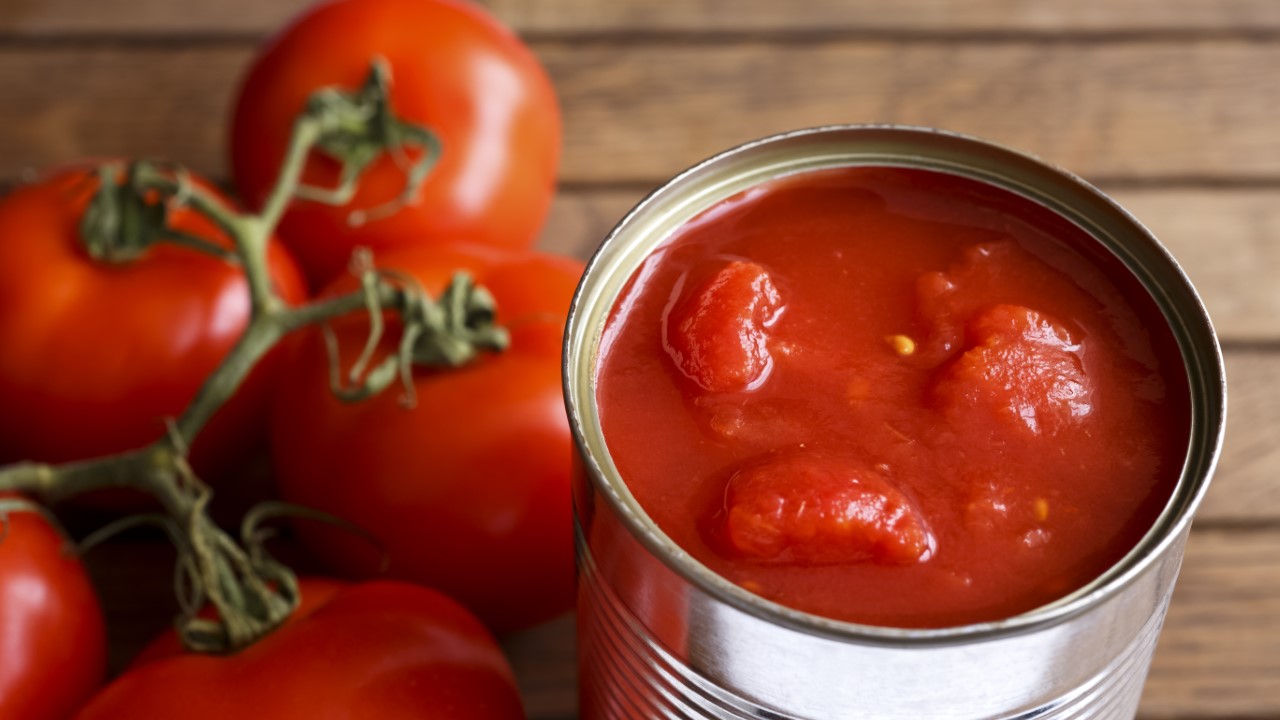
Often, store-brand canned vegetables are just as nutritious and tasty as their more expensive counterparts. They can offer great value without compromising on quality.
Despite being more budget-friendly, these canned veggies are often on par with, if not equivalent to, their pricier counterparts in terms of nutritional content and taste. The canning process preserves the vegetables at their peak freshness, locking in essential nutrients like vitamins and minerals.
Many store brands adhere to similar quality standards and sourcing practices as name brands, ensuring that the vegetables maintain their taste and nutritional value.
2. Milk

Store-brand milk presents a fantastic opportunity to enjoy high-quality dairy without breaking the bank. These kinds of milk are frequently sourced and produced regionally, allowing for reduced transportation costs and translating to a more affordable price for consumers.
Despite the lower cost, store-brand milk doesn’t compromise taste or quality. Many of these kinds of milk undergo rigorous quality control measures, adhering to industry standards to ensure freshness, purity, and nutritional value.
3. Bulk Grains (Rice, Quinoa, Oats)

Opting for generic or bulk-packaged grains is a savvy and economical choice that doesn’t compromise nutritional quality. When purchasing grains in larger quantities or choosing generic brands, you can often secure significant cost savings without sacrificing the inherent nutritional value these grains offer.
Whether it’s rice, quinoa, oats, or other staples, these grains are excellent sources of essential nutrients like carbohydrates, fiber, vitamins, and minerals.
4. Canned Beans
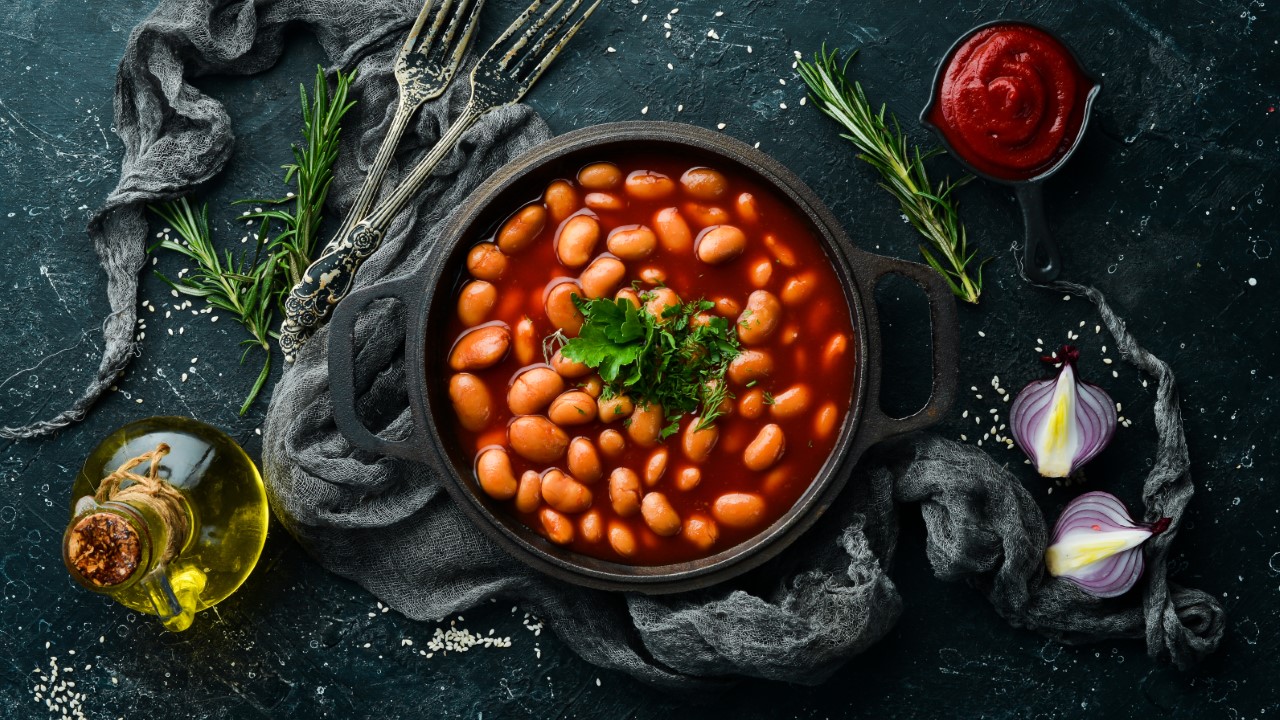
Choosing generic canned beans, like black beans or chickpeas, is a smart choice that provides value and quality. Despite being more affordable than their brand-name counterparts, these generic canned beans are comparable in nutritional content and taste. They are an excellent source of plant-based protein, fiber, vitamins, and minerals, making them a nutritious addition to meals.
6. Frozen Vegetables

Store-brand frozen vegetables present a practical and wallet-friendly option without sacrificing nutritional value. Often found in store-brand packaging, these frozen vegetables offer comparable nutritional content to their pricier name-brand counterparts. The freezing process typically preserves the vegetables at their peak freshness, locking in essential vitamins, minerals, and antioxidants.
7. Pasta
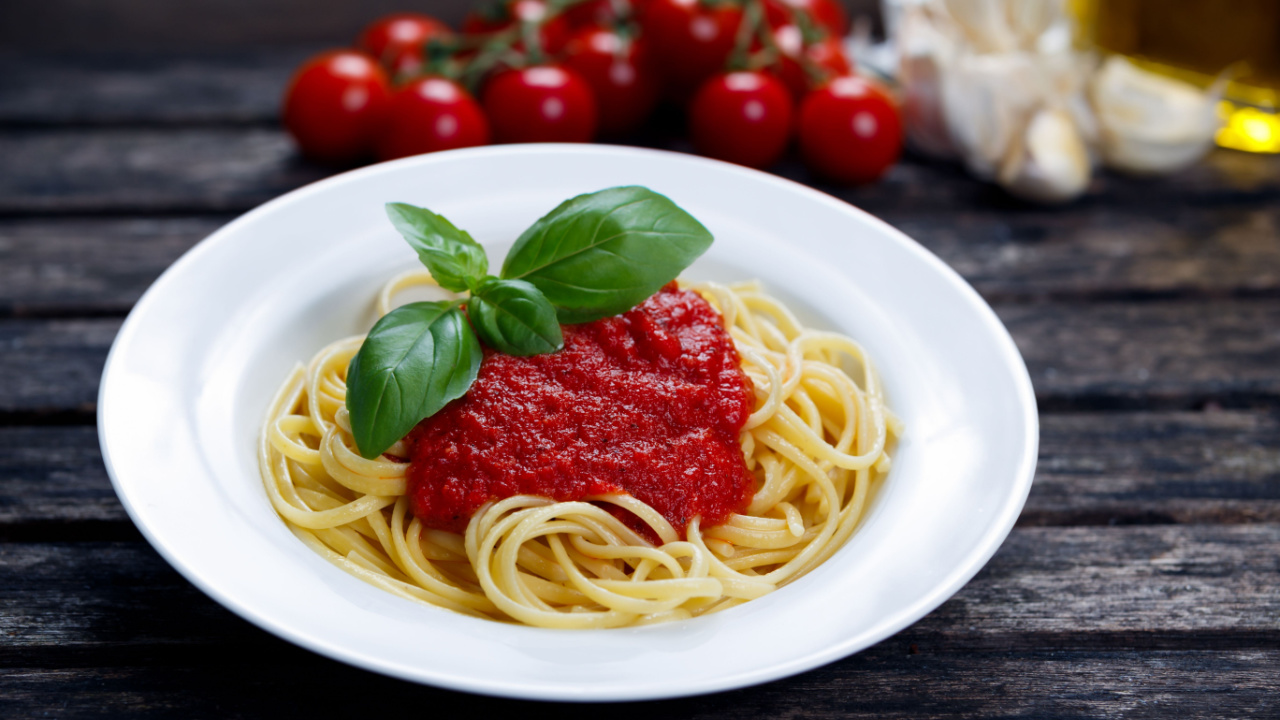
Opting for generic pasta is a practical choice that offers both affordability and quality without sacrificing taste or texture. These store-brand pasta varieties are often manufactured using similar ingredients and production methods as their more expensive counterparts. They’re typically crafted from durum wheat semolina, ensuring a comparable taste and texture to name-brand pasta.
8. Bread

Store-brand bread is a testament to grocery items that offer exceptional quality without the premium price tag often associated with name brands. These bread varieties are crafted using similar ingredients and production methods, ensuring a comparable taste, texture, and freshness to their more expensive counterparts.
9. Cereal
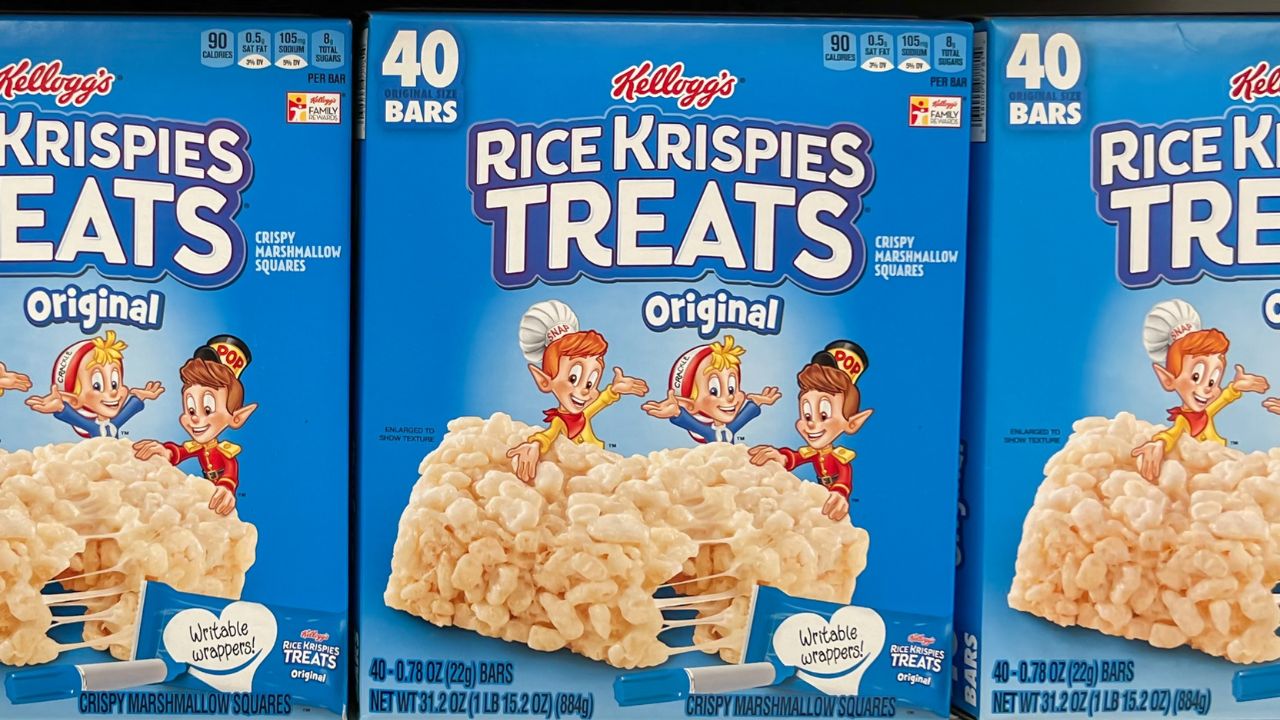
Off-brand cereals can be a smart choice that delivers both taste and quality without the higher price tag associated with name brands. These off-brand cereals often boast comparable flavors, textures, and nutritional content to their pricier counterparts.
Using similar ingredients and production methods, off-brand cereals undergo quality control measures to meet industry standards for taste, texture, and nutritional value. These cereals are crafted with essential grains, vitamins, and minerals, offering a wholesome breakfast option without compromising quality.
10. Eggs

We all know how expensive eggs have become! Choosing store-brand eggs allows consumers to enjoy high-quality eggs without the premium price tag. Whether it’s brown, white, organic, free-range, or specialty eggs, these store-brand options often provide similar taste, nutritional value, and versatility compared to pricier alternatives.
Incorporating store-brand eggs into meals, from breakfast dishes to baked goods, offers a reliable and economical protein source for households while maintaining quality and freshness.
11. Cooking Oil

Despite being more budget-friendly, store-brand cooking oils maintain high-quality standards. They are sourced from reputable suppliers and undergo stringent quality checks to ensure purity, freshness, and taste. These oils are often produced using the same refining or extraction methods as name brands, resulting in oils that perform well in various cooking techniques.
12. Spices

The affordability of generic spices is generally due to reduced marketing and branding expenses. However, this cost-saving strategy does not diminish the quality or effectiveness of the spices. Whether it’s common spices like cinnamon, black pepper, paprika, or more exotic blends, store-brand spices often offer similar taste and quality but at a fraction of the cost.
13. Peanut Butter

Manufactured using similar ingredients and processing methods, off-brand peanut butter undergoes quality control measures to ensure it meets industry standards for taste, consistency, and nutritional value. This peanut butter is crafted from high-quality peanuts and typically contains minimal additional ingredients, such as salt or sweeteners, similar to name brands.
14. Cleaning Supplies

These items, almost always with similar active ingredients, undergo rigorous testing to ensure they meet industry cleaning efficacy and safety standards. These products are designed to tackle dirt, grime, and germs effectively, just like the more expensive brands.
15. Paper Products

Store-brand paper towels and toilet paper stand as cost-effective choices that don’t skimp on quality or performance. These essential household items, often found in store-brand packaging, offer similar durability, absorbency, and comfort compared to their pricier name-brand counterparts.
16. Baking Ingredients

The lower cost of store-brand baking ingredients allows anyone to whip up delightful treats while staying within their budget. Their affordability and comparable quality make them a go-to choice for home baking needs, providing an economical option without compromising the quality or taste of the finished baked goods.
17. Snack Foods

Generic chips, crackers, and pretzels often offer a comparable taste and quality to their name-brand counterparts while providing better value for consumers. These store-brand or generic snacks are typically produced by smaller companies or supermarket chains and are designed to mimic the flavor and texture of popular branded products.
18. Salad Dressing

Store-brand salad dressings frequently offer a delightful taste that’s on par with, if not surpassing, the flavor profiles of name-brand counterparts while presenting a more budget-friendly option for consumers.
They are often crafted with meticulous attention to taste, utilizing similar ingredients and mimicking popular name brands’ recipes. Retailers and supermarkets invest in producing high-quality store-brand dressings to compete with established brands and foster customer loyalty by offering a cost-effective yet delicious alternative.
19. Yogurt

Consumers increasingly opt for generic yogurts due to their cost-effectiveness and equivalent quality to name brands, making them a popular choice for those seeking value without sacrificing taste or nutrition. These yogurts often use similar ingredients and production methods, ensuring comparable quality and nutritional value. Manufacturers typically prioritize quality control, guaranteeing standards meet or exceed industry benchmarks.
20. Tea or Coffee

These beverages are crafted using similar ingredients and production methods as well-known brands, ensuring a satisfying taste experience. Customers appreciate these store brands for their affordability without compromising on the enjoyment of their favorite teas and coffees, making them a popular choice among budget-conscious shoppers looking for quality beverages at a better value.
21. Bottled Water

Bottled water that isn’t by a popular brand often matches the same quality of those options while being more affordable. These waters undergo similar purification processes to ensure purity and taste.
22. Baby Products

Store-brand diapers, wipes, and baby food offer a cost-effective alternative for parents without sacrificing quality. These products are manufactured using similar materials, formulas, and production standards as their well-known counterparts.
Diapers undergo rigorous testing to ensure absorbency, fit, and comfort, while wipes are designed to be gentle on a baby’s sensitive skin. Similarly, store-brand baby foods often contain the same essential nutrients and ingredients as name brands, meeting regulatory standards for infant nutrition.
23. Pet Food

Pet owners appreciate the affordability and value these off-brand options offer, allowing them to prioritize their pets’ well-being without overspending. As a result, these alternatives have gained trust among pet owners seeking quality nutrition at a more accessible price point, ensuring their pets receive the essential nutrients they need without compromising on quality or health.
24. Condiments

Generic ketchup, mustard, and mayo frequently offer a taste and quality comparable to their branded counterparts while being more cost-effective. Customers appreciate these budget-friendly options for their equivalent taste and quality, providing an affordable choice without compromising flavor when adding that perfect touch to their meals.
25. Soda or Carbonated Drinks

Store-brand sodas or carbonated beverages are often overlooked in favor of their more famous counterparts. However, these store-branded options can surprise consumers with their comparable taste and quality while offering a significant cost advantage.
Many store brands collaborate with reputable beverage manufacturers or utilize formulations similar to popular name brands, ensuring a close resemblance in flavor profiles.
15 Healthiest McDonald’s Menu Choices and Their Nutritional Breakdown

Looking to satisfy your fast food cravings but not sure if it’s good for you? Luckily, the McDonald’s menu is vast and has some surprisingly healthy options. Here’s how some of the most popular menu items stack up in terms of nutrition.
15 Healthiest McDonald’s Menu Choices and Their Nutritional Breakdown