

Feeling the price hike at the grocery store lately? With inflation driving up prices, stretching your grocery budget is important. Whether you’re feeding a family or just yourself, trimming your grocery expenses will allow you to pay off debt faster or save money.
However, during these challenging times, thinking of ways to save may be difficult. That’s why we’ve compiled a list of ways to stretch your food budget without sacrificing quality or flavor.
1. Buy in Bulk

Shop at wholesale clubs like Costco to buy some of your grocery items in bulk. You can purchase large quantities of produce for much less than at your local grocery store. Just be sure you buy food you know you’ll eat. Otherwise, you may end up with spoiled food.
2. Plan Meals

It seems like common sense, but you’ll avoid overspending by simply planning your meals for the entire week. Additionally, you can spend more time comparing prices versus brainstorming foods to purchase. Not only will you save money, but you’ll also save time shopping for groceries.
3. Use Coupons

Checking weekly flyers for store discounts is an easy way to save a few bucks. Often, select products are on sale for the given week. All it takes is awareness of how to save money. You can also try an app like Ibotta to earn cashback on groceries.
4. Shop Seasonally

Shopping for produce that’s in season will instantly save you money. Since seasonal produce is cheaper and easier to grow, it’s less expensive. However, such offerings will vary by location. Luckily, a simple Google search will let you know which produce is in season.
5. Cook at Home

Eating out less means extra money for groceries. Additionally, you’ll eat healthier and cook with better ingredients. You can still occasionally enjoy eating restaurant meals; just be sure not to overdo it.
6. Buy Store Brands

Store-brand products aren’t always noticeably different from their name-brand counterparts. For example, a 25-ounce 365-Whole Foods marinara sauce costs $3 and is just as good as other brands that go for triple the price. This tactic might take some trial and error, but you’ll eventually save money buying some groceries generically.
7. Freeze Extras
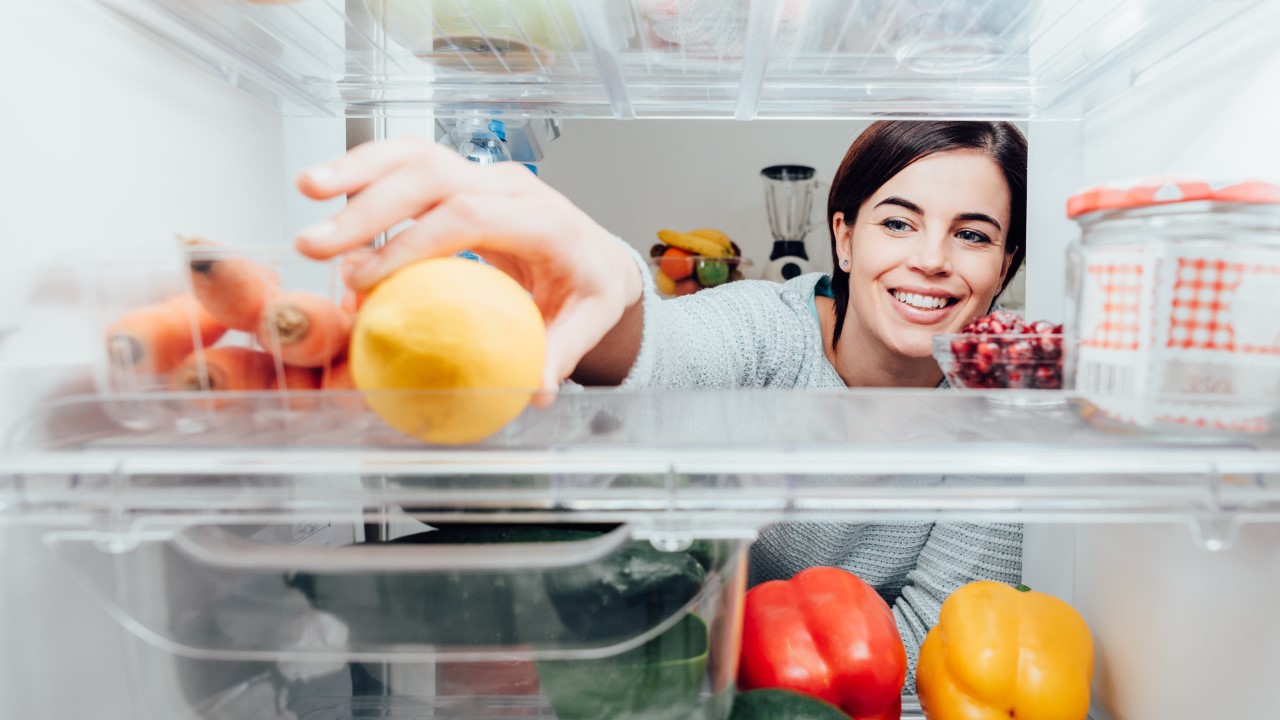
Most people know that freezing their food makes it last longer–sometimes more than twice as long as its regular shelf life. Items you can freeze include poultry, beef, fish, soup, vegetables, and more. Before throwing food away, ask yourself if you or someone in your family will eat it. If so, freezing it will save you money versus going and buying more of the same thing.
8. Limit Red Meat Consumption

Health experts recommend not eating red meat more than three times per week. Not only is too much of it bad for your health, but it’s also bad for your wallet. Opting for cheaper red meat is also not a smart solution because they’re more likely to contain pesticides and antibiotics.
9. Grow Your Own Produce

Growing your own produce is a relatively easy way to save money. However, there will be a learning curve, and plants will require regular maintenance. If you have patience, consider learning how to grow your own produce. Even growing your own tomatoes or peppers can be enough to save you a few bucks.
10. Buy Imperfect Produce
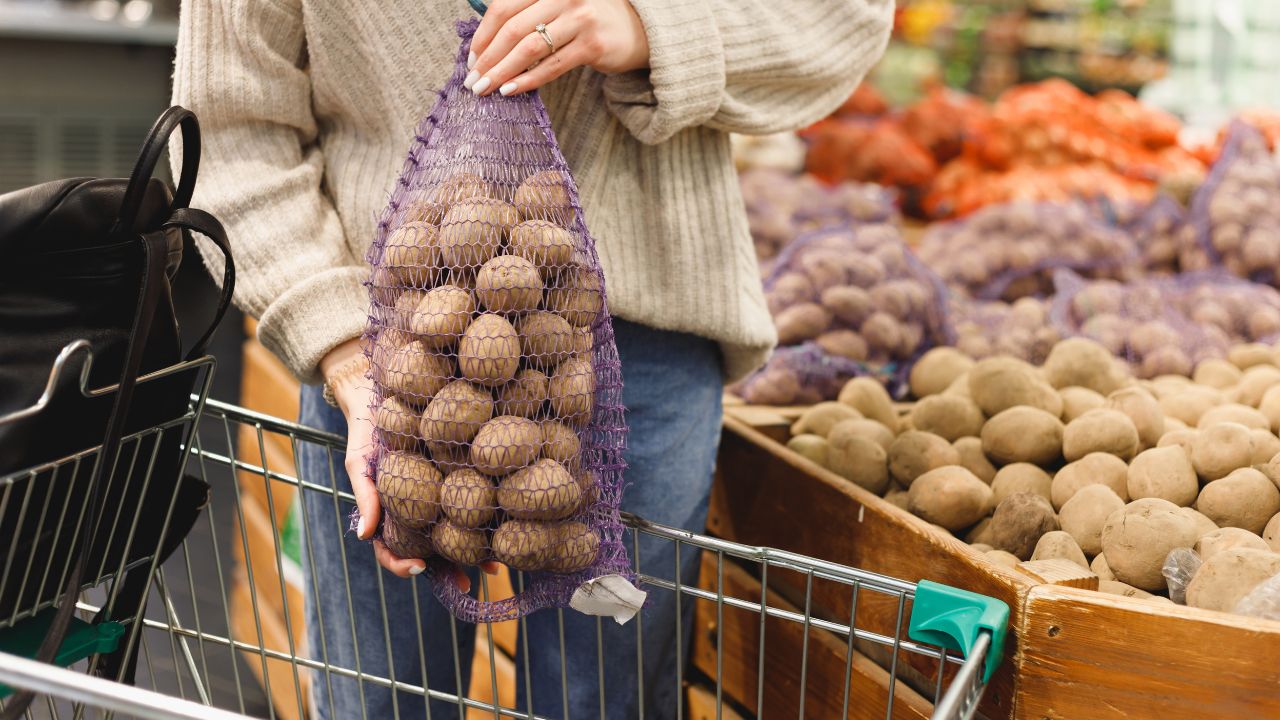
“Ugly” produce is perfectly edible but oddly shaped. Since it isn’t good enough to make it to the shelves of most local grocery stores, you can usually snag it for low prices at your local food market.
11. Avoid the Snack Aisle

It’s hard to avoid snacks. After all, they are perfect for watching your favorite show or while doing work. However, purchasing snacks can quickly derail your grocery budget. Instead, make your own snacks at home. For example, making oatmeal cookies at home is cheaper and healthier. All you need is oatmeal, bananas, and another fruit of your choice.
12. Use a Shopping List

Shopping online has now become easier and more efficient because you can quickly see what you’re spending before you pay. However, if you shop in the store, having a shopping list is a must so as not to overspend.
13. Shop Less Frequently

Sometimes you may find yourself near the grocery store and crave a certain item. But avoid randomly shopping for food. The average American household spends $250 monthly on groceries. This amount can quickly go up if you’re randomly buying additional food items throughout the week. Instead, plan your meals ahead and stick to your shopping list.
14. Opt for Water

It’s not news that water is healthier than soda and juices. A quick hack to quench your craving for soda is carbonated water. Many brands are a healthier option. Still water is also a great alternative you most likely consume daily and won’t drain your wallet.
15. Use Cash Back

This will vary depending on the app or credit card you use. However, when done correctly, you can easily rack up points and be eligible for cashback every few months. Prime Visa credit card offers 5% cashback for shopping at Whole Foods. If you’re a regular shopper there, you can easily get $10 cash back shopping for groceries.