

Credit is an important way of showing how good you are with money. If you ever want to buy a house or take out a loan, your credit score will be reviewed. It’s important to be on top of it and aware of your statements and payments so you can shine as a credit rockstar. Here are some tips that will take your credit to the next level.
1. Pay Bills on Time

Paying your bills on time has the highest influence on your credit score. To ensure timely payments, set up autopay on your accounts. If you miss a payment (life happens), call customer service. Most of the time, they will offer to remove any late fees as a courtesy and help get your account to good standing.
2. Review Your Statements

Being aware of where your money is going sounds easy enough. But it would help if you still went through your statements. You may notice that you are being charged a monthly fee from the bank or are still charged for that subscription you canceled. In the worst-case scenario, you may even be a victim of identity theft.
3. Pay Down or Transfer High Interest First

Allowing interest to add up and only paying the minimum amount will cost you in the long run. If you have a few open accounts, look for the one with the highest interest to pay first. If one is available, you may transfer this balance to a lower-interest account.
4. Know Your Credit Score
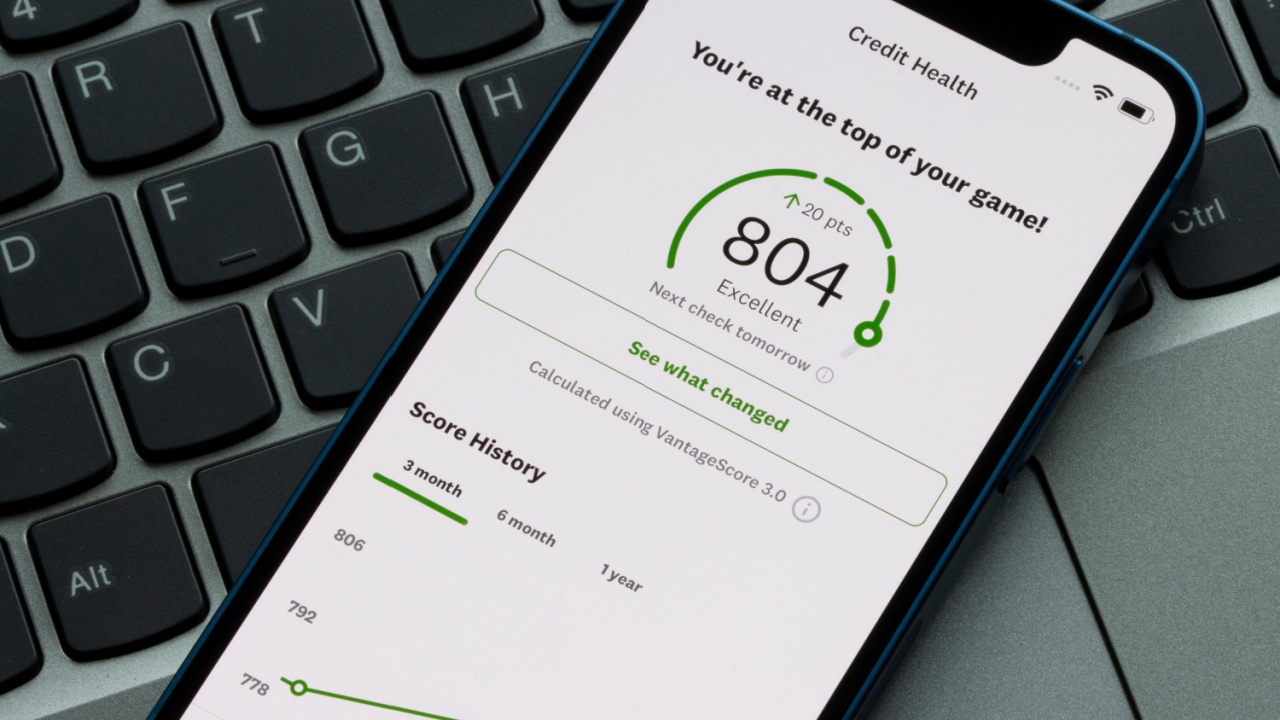
Your credit score tells you and lenders about your financial history. With a good score, you are likely to get lower interest rates and higher credit limits. You may also get lower rates on your mortgage or car loan.
5. Know Good Debt vs. Bad Debt

Good debt is accrued for a valuable investment, such as your education or home. Importantly, you can responsibly pay your good debt down. You may need help paying off bad debt that snowballs from high interest rates, such as credit card debt. Knowing this difference is valuable to your financial well-being.
6. Keep Your Balances Below the Max

Another item on your credit report is your credit utilization rate. This is the percentage of credit available to you that you use. It is a good idea to keep this amount below 30%.
7. Take Advantage of Points and Rewards

When shopping for a credit card, look for rewards that will benefit you. Most companies offer travel rewards or cash back. If you will be rewarded, using your credit for large purchases makes sense.
8. Be Aware of Any Defaults or Collections

Having any loans or accounts that you have defaulted on is not a good sign. This means that you should have paid the agreed-upon amount on time. If you fail to pay within 30 days, your account may be sold to a collection agency. Taking care of this and seeing if collections can help you work through your situation is essential.
9. Don’t Be Impulsive With Spending

Pulling out your credit card for every purchase you make is a bad habit. Impulse spending is buying something unplanned, and it may require financial means. Make a realistic budget and a shopping list to help you avoid this behavior.
10. Know the Advantages of Cash

You will notice many places lately offer a discount if you pay cash instead of a credit card. Also, you won’t get stuck paying interest when you use money. You are also more likely to have a clear picture of your finances.
11. Keep Track of Your Approval Status

If you receive many credit card offers, it is a good sign that you are a financial star with credit. Especially if any of these offer a 0% APR, you are doing great! Don’t be tempted to accept these offers unless you are financially in a position to do so.
12. Don’t Constantly Apply for New Credit

That is likely not a good sign if you constantly apply for new credit cards. Applying for cards impacts your credit score. If you need the funds to buy something you want and do not need, you should not put yourself in debt.