

Are you feeling the pinch every time you check out at the grocery store? By employing a few simple shopping strategies, you can save money without feeling like you’re depriving your family. With these easy tricks, you’ll be ready to tackle your grocery bills with a fresh perspective.
1. Make a Shopping List and Stick To It
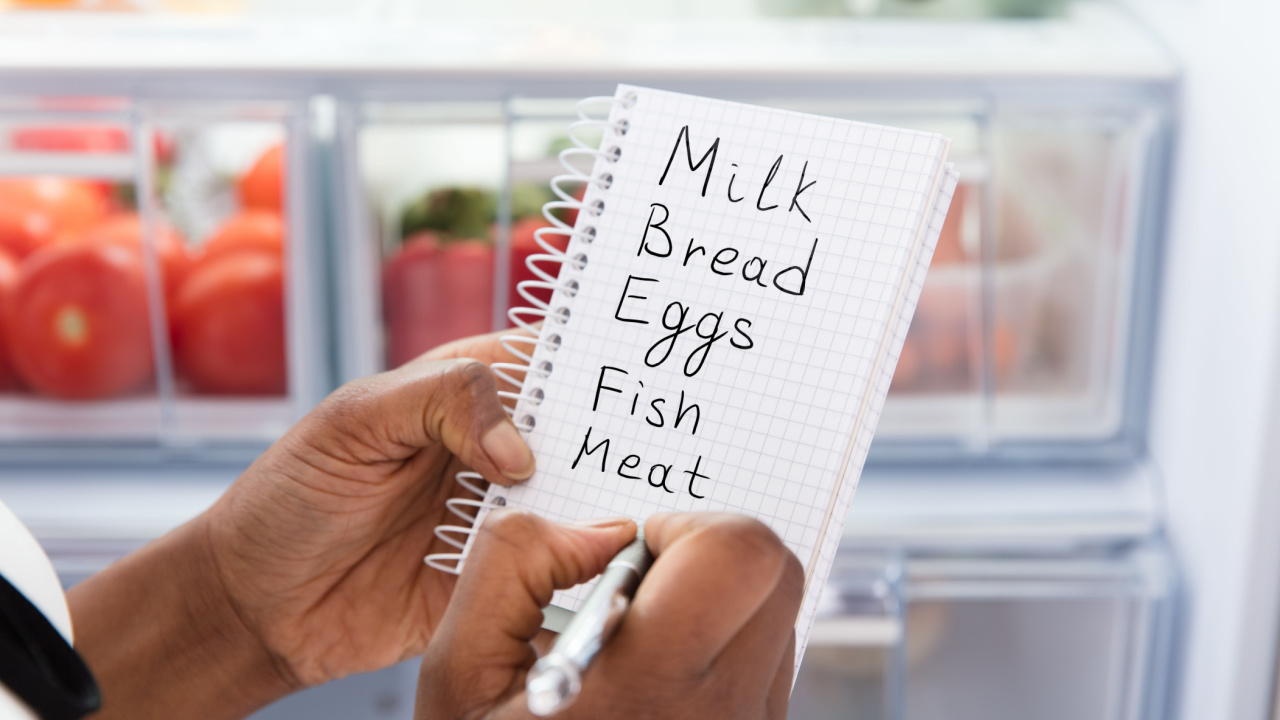
Before entering the store, know exactly what you need to buy. A shopping list is your first line of defense against impulse buys. Stick to it religiously. This way, you’re not just wandering the aisles, tempted by every deal or delicac that crosses your path. Trust me, your wallet will thank you.
2. Try Weekly Meal Planning
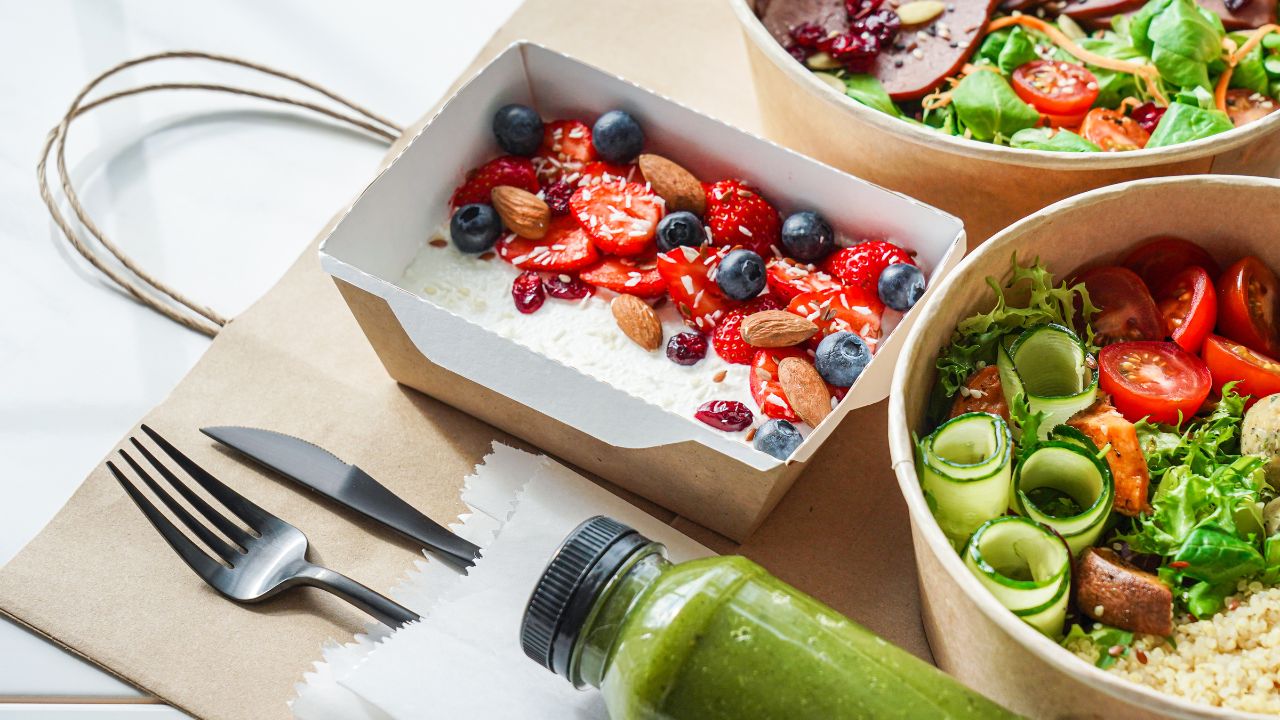
Meal planning is a game changer. By planning your meals for the week, you buy just what you need, saving time and money. Think about it: No more last-minute, expensive takeout because you can’t decide what to cook.
3. Shop With a Full Stomach

Ever shopped on an empty stomach? Then you know it’s a recipe for disaster. You end up buying everything in sight because it all looks delicious. To prevent this next time you head out, simply eat before you shop. You’ll be amazed at how much less tempted you are by unnecessary items.
4. Buy Generic Brands

Here’s a secret: Many generic brands are just as good as their pricier counterparts. In some cases, the same factories make both products! Give them a try. The savings can be significant, and you might find a new favorite.
5. Use Coupons Wisely

Coupons can be great, but only if you use them for items you actually need. Don’t let a coupon convince you to buy something you wouldn’t usually purchase. It’s only saving if you’re spending on necessary items.
6. Buy In Bulk, but Be Smart About It

Buying in bulk can save you a lot of money — if you do it right. It’s an excellent strategy for non-perishables and items you use frequently. But beware of buying perishables in bulk. You’re just throwing money away if you don’t use them before they spoil.
7. Shop Seasonally

Seasonal produce is not just fresher; it’s often cheaper because it’s more abundant. Take advantage of what Mother Nature delivers to add variety to your meals throughout the year.
8. Avoid Pre-cut, Pre-packaged Items

Convenience costs more, plain and simple. Pre-cut fruits and veggies, pre-packaged salads – these types of things often cost much more than their whole counterparts. Watch the savings add up when you spend a little time preparing your food.
9. Check Unit Prices

Don’t be fooled by packaging. Always check the unit price: the cost per ounce, liter, or pound. Sometimes, a smaller package can be a better deal.
10. Use a Basket Instead of a Cart

Use a basket instead of a cart if you only need a few items as it’s a physical reminder of how much you’re buying. When you can literally feel the weight of your purchases, you’ll think twice about adding unnecessary items.
11. Keep an Eye on Cashier Scanning

Mistakes happen, so watch the cashier as they scan your items. Sometimes, items can be scanned twice, or a sale price might not be applied. A quick check can save you from overpaying.
12. Join Loyalty Programs

Most stores have loyalty programs that offer exclusive discounts, rewards, and sometimes even free items. Sign up for these programs in the stores you frequent. Just be sure to use them wisely — don’t buy something just because you have a coupon or reward.
13. Be Flexible With Brands

Don’t be too brand loyal. Be open to trying different brands, especially if there’s a sale or a discount. Often, the difference in quality is negligible, but the savings can be substantial.
14. Shop Less Frequently

Try to reduce the number of times you go grocery shopping — each trip opens the door to buying things you don’t need. Shopping less also encourages you to use what you already have at home.
15. Look High and Low on Shelves

Stores often place the most expensive items at eye level, so look at the higher and lower shelves. That’s where you’ll often find the cheaper options. Who knew that a bit of neck stretching could lead to savings?
16. Avoid Shopping With Kids

If you can, leave the kids at home when you go shopping. Children will likely pester you into buying things that aren’t on your list, especially sweets and toys strategically placed at their eye level.
17. Grow Your Own Herbs

Herbs are expensive to buy fresh and often go to waste. Growing your own is easy and cost-effective. Plus, they can be grown in small spaces and offer the freshest flavors for your cooking.
18. Understand Expiration Dates
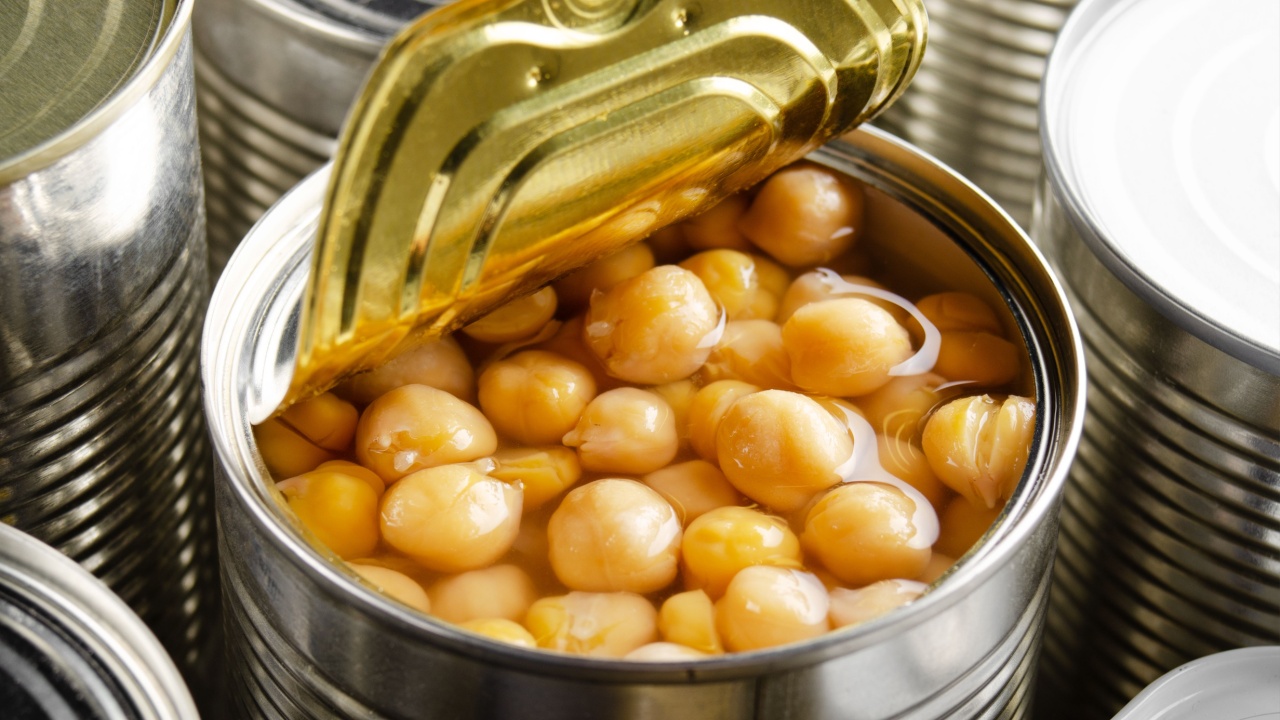
“Best Before” and “Use By” dates are different. Best Before is about quality, while Use By is about safety. Knowing the difference can prevent you from throwing away food that’s still good to eat.
19. Don’t Shy Away From Reduced Items

Items close to their expiration date are often reduced in price. If you use them quickly, they can be a great bargain. Just make sure you’re actually going to use them before they go bad. You can also get good deals on “ugly” produce at some stores—fruits and vegetables that are perfectly good but have physical imperfections.
20. Review Your Receipt

After shopping, take a moment to review your receipt. This will help you track your spending and identify areas to cut back. It’s also an excellent way to ensure you were charged correctly for all items.
21. Compare Online Prices

Don’t overlook online grocery shopping. Sometimes, online retailers offer competitive prices, especially for bulk items. Plus, the convenience of home delivery can save time and transportation costs. Compare prices between physical stores and online options. Just be mindful of shipping costs, which can sometimes offset the savings.
22. Avoid Rush Hours

Shop during less busy hours if you can. Stores tend to be less crowded, which means less stress and more time to compare prices and make thoughtful decisions. Plus, freshly restocked items, including discounted goods, are often more readily available during these times.
23. Embrace Frozen Vegetables and Fruits

Frozen fruits and vegetables are often just as nutritious as their fresh counterparts and can be cheaper, especially when out of season. They also last much longer, reducing waste from spoilage. They offer both convenience and value and are ideal for smoothies, stir-fries, and soups.
24. Cook in Bulk and Freeze

When you cook, make more than you need and freeze the leftovers. This approach saves time and money as buying and cooking in bulk is usually cheaper. As a bonus, you’ll always have a meal ready to go, reducing the temptation for expensive takeout on busy days.
25. Check the Bottom of Your Receipt
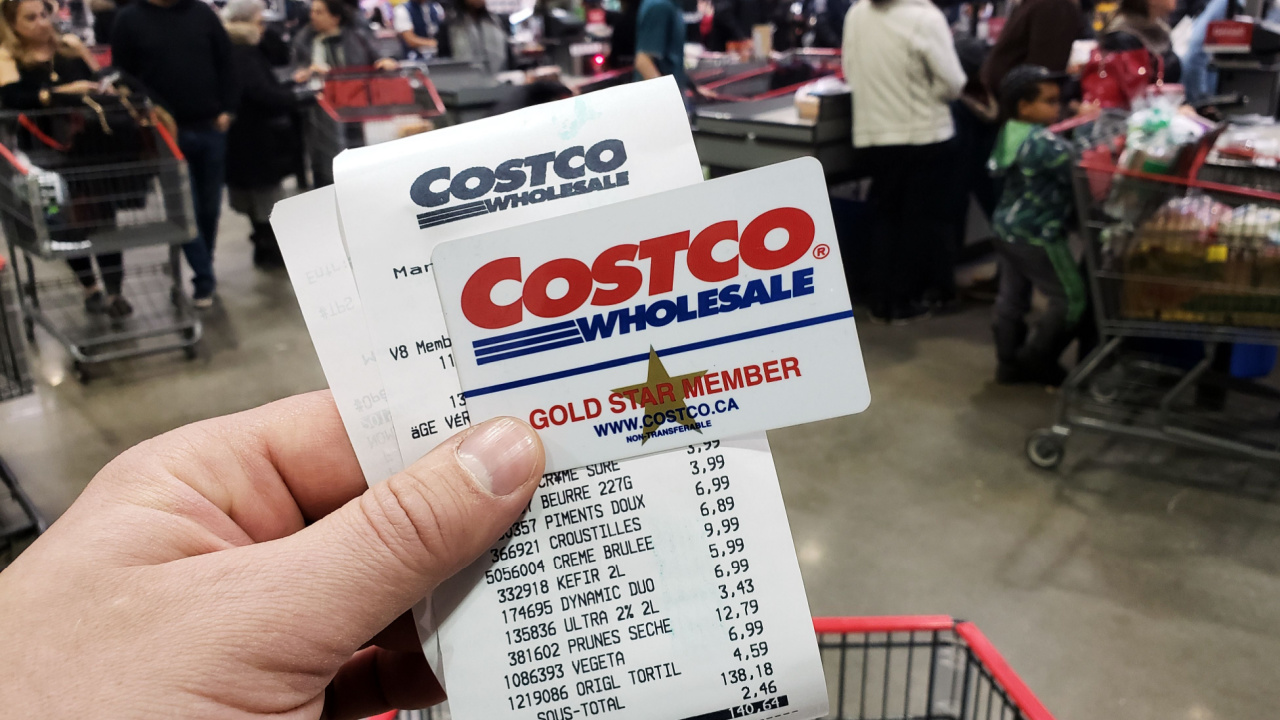
Many stores print coupons or announce upcoming sales at the bottom of receipts. Before tossing it out, take a quick look. You might find a valuable deal or discount for your next shopping trip. It’s a small habit that can lead to big savings over time.