
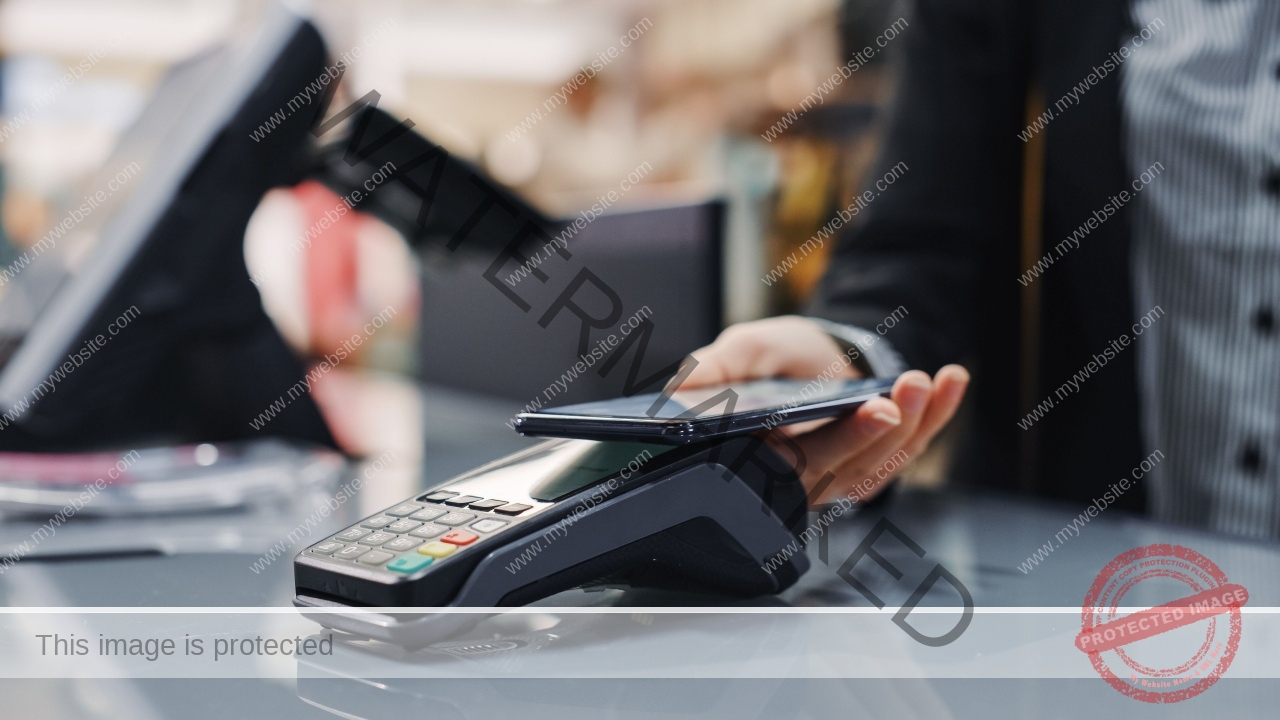
Did you know that cashless transactions are becoming increasingly popular in today’s fast-paced world? The trend toward a cashless economy can be seen in online shopping and contactless payments. This means that the use of physical currency is decreasing, thus transforming the way individuals, businesses, and governments interact financially.
In this list, we’ll examine the ways this shift is changing our world.
1. Mobile Wallets

With mobile wallets, including Apple Pay, Google Pay, and Samsung Pay, you can digitally store credit, debit, and loyalty cards. These wallets make transactions quick, secure, and hassle-free at compatible point-of-sale terminals—which are more common than ever—thus often making it unnecessary to carry physical cards.
2. Digital Payment Platforms

PayPal, Venmo, and Cash App have revolutionized how people transfer money and make purchases online. These platforms offer convenient and secure methods for sending and receiving funds without cash or checks, making online shopping safe and easy.
3. Peer-To-Peer Payment Apps
Peer-to-peer payment apps like Zelle and Venmo allow users to remit money to friends, family, and acquaintances using their smartphones. These platforms have gained massive popularity because they make splitting bills, paying rent, and reimbursing friends for shared expenses easy and convenient. Sending money directly from your account requires only the recipient’s email or cell phone number.
4. Online Banking

Traditional financial institutions offer online banking services that provide customers with the ability to manage their accounts, pay bills, and transfer funds electronically through desktop or mobile applications. This shift toward digital banking has led to greater convenience and accessibility for many account holders. Citi Mobile, Bank of America, and Chase Mobile have the highest rankings in Forbes’s Best Banking Apps ranking of 2024.
5. Contactless Payment Technology

According to PayPal, contactless purchases are expected to increase annually by an average of 23% worldwide, exceeding more than 522 billion purchases by 2026.
Contactless payment technology, including Near Field Communication (NFC) and Radio Frequency Identification (RFID), allows consumers to pay by tapping their cards or mobile devices on payment terminals. This technology boomed during the global COVID-19 pandemic, but its convenience is here to stay.
6. E-Commerce Transactions

The significant increase in online transactions has been partly attributed to the proliferation of e-commerce platforms such as Amazon, eBay, and Shopify. Online shoppers can purchase a wide range of products and services from their homes and pay with their digital wallets, credit or debit cards, and other methods.
7. Cryptocurrency Adoption
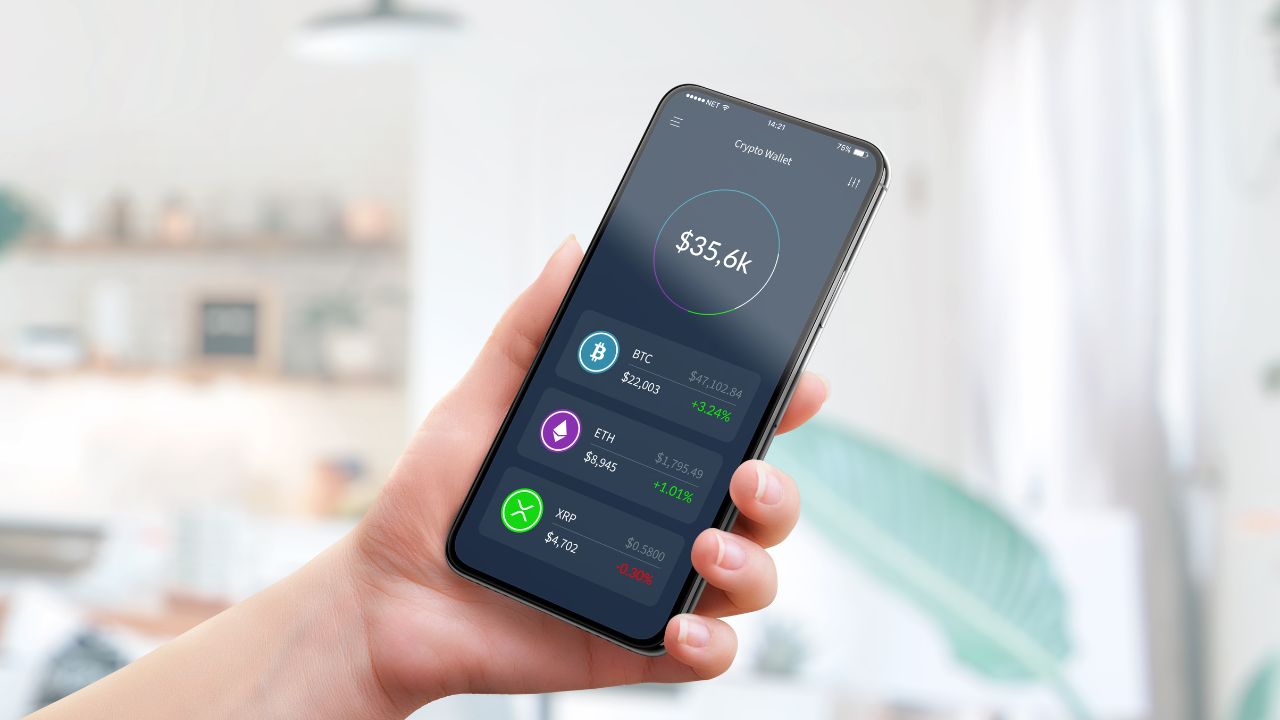
In addition to traditional banking, cryptocurrencies such as Bitcoin, Ethereum, and Litecoin offer an alternative form of digital currency. The use of cryptocurrencies for payments is becoming more widespread in some industries, and they are expected to keep expanding as the financial landscape evolves.
8. Cashless Retail Stores

Many businesses, including grocery chains, restaurants, and convenience stores, are adopting cashless payment policies to streamline transactions and reduce theft. Various payment methods are available at these establishments, including credit/debit cards, mobile wallets, and other electronic methods.
9. Electronic Collection of Tolls

E-ZPass and RFID-based toll collection systems allow motorists to cruise through toll stations without stopping at toll booths to pay. This technology reduces congestion, improves traffic flow, and enhances convenience for drivers.
10. Automated Teller Machines (ATMs)
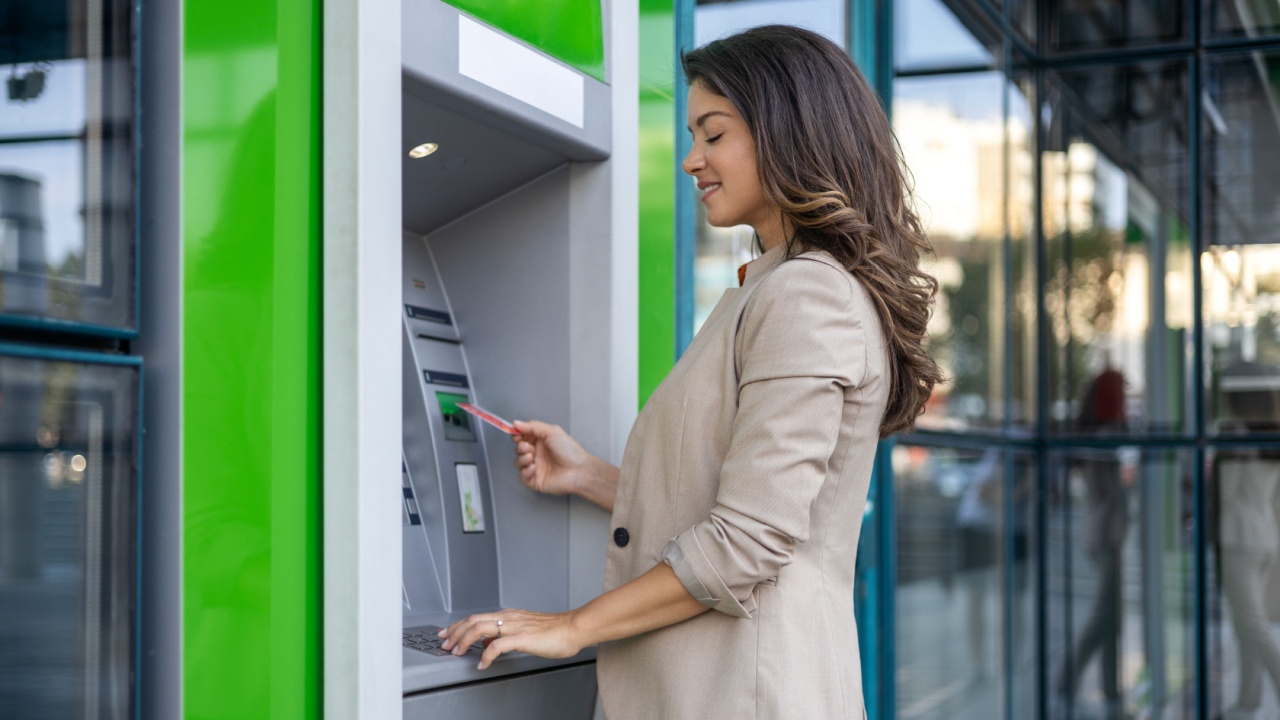
Although ATMs are still used to withdraw cash, they are being updated to keep up with digital banking trends. Some ATMs now have advanced features like cardless withdrawals, mobile deposits, and biometric authentication to give users more convenience and security.
11. Digital Coupons and Rewards

Retailers and businesses use digital coupons, discounts, and rewards programs to incentivize cashless transactions. Customers can access these offers through mobile apps, email newsletters, or loyalty programs linked to their payment accounts.
12. Prepaid Cards and Gift Cards

Prepaid cards and gift cards are practical alternatives to cash that financial institutions and retailers issue. They offer a convenient, cashless payment option for consumers, who can use these cards to make purchases at designated merchants and online retailers, providing flexibility and security for buyers and recipients.
13. Digital Remittance

Digital remittance services enable quick and secure international money transfers to friends and family. Online platforms and mobile apps like Western Union, MoneyGram, and TransferWise allow you to initiate and track cross-border transactions.
14. Mobile Ordering and Payment in Restaurants

Mobile ordering and payment systems are becoming more popular among restaurants and food establishments. These systems allow customers to use their smartphones or tablets to browse menus, place orders, and pay for their meals. By doing so, they can reduce wait times and make their dining experience more convenient and seamless.
15. Cashless Public Transportation

Public transportation systems now offer cashless fare payment options in several cities. These options include smart cards, mobile tickets, and contactless payment cards. Implementing these systems makes transportation more efficient while reducing fare evasion and providing passengers with a seamless travel experience.
16. Digital ID Verification

Remote verification of customer and client identities is made possible by digital identity verification solutions, which employ various authentication methods like document scanning and biometric data. As a result, these technologies enable cashless transactions while reducing fraud risk and increasing security.
17. Regulatory Support for Cashless Initiatives

Governments and regulatory bodies are showing support for initiatives that encourage cashless transactions and digital financial services. Policymakers have recognized the various benefits of a cashless economy, including enhanced financial inclusion, lower transaction costs, and improved transparency. The Federal Bank of Atlanta is promoting the inclusion of payments in a digital payments era.